
More Information
Submitted: May 14, 2026 | Accepted: May 26, 2026 | Published: May 27, 2026
Citation: Damtheou S, Foba K, Mahamat AC, Noudjalbaye A, Saleh AS, Hissein A, et al. Factors Influencing Uptake of Iron Supplementation for 90+days During Pregnancy in Zambia. Clin J Obstet Gynecol. 2026; 9(2): 27-31. Available from:
https://dx.doi.org/10.29328/journal.cjog.1001202
DOI: 10.29328/journal.cjog.1001202
Copyright license: © 2026 Damtheou S, et al. This is an open access article distributed under the Creative Commons Attribution License, which permits unrestricted use, distribution, and reproduction in any medium, provided the original work is properly cited.
Keywords: Caesarean section; Suppuration; University Hospital Centre for Mother and Child; Chad

Post-caesarean Surgical Site Infections (PC-SSI) at the University Hospital Centre for Mother and Child in N'Djamena in 2025
Damtheou S1,2*, Foba K1,2, Mahamat AC1, Noudjalbaye A2, Saleh AS1, Hissein A1,2, Kanbel D1, Mariam MY1, Salha YA2, Tcheguena MM2, Tchissiemsi YD2, Djelassem R2, Hinfine P1,2, Mahayadine1,2, Adoumadje JD2, Nouracham H1,2, Achta MM2, Nehoundamadji F2, Ache HS3, Gabkika BG1,2 and Foumsou L3
1Faculty of Human Health Sciences, University of N'Djamena, Chad
2University Hospital Centre for Mother and Child, N'Djamena, Chad
3National Fistula Treatment Centre, N'Djamena, Chad
*Corresponding author: Pr Ag. Damtheou Sadjoli, MCA at CHUME, N'Djamena, Chad. Tel. 00235 68791102, [email protected]
Introduction: Parietal suppuration is the formation of pus within the abdominal wall. This study aims to contribute to improving the management of post-caesarean surgical site infections (PC-SSI) at the University Hospital Centre for Mother and Child in N'Djamena.
Patients and methods: This is a prospective descriptive study conducted over 10 months, from 1 January to 31 October 2025, including all patients who underwent a caesarean section at the University Hospital Centre for Mother and Child in N'Djamena.
Results: A total of 65 out of 2,384 operated patients presented with parietal suppuration, representing an incidence of 2.75%. The 18–25 age group was the most represented, accounting for 64.6% of cases. Referred patients were predominant at 61.6%, with prolonged rupture of membranes (PROM) being the most common referral reason (75.38%). Emergency caesarean sections accounted for 98% of cases. The most frequently identified pathogen was Staphylococcus aureus at 49.3%. A low maternal mortality rate of 6% was recorded.
Conclusion: The study identified risk factors that underscore the need to adopt infection prevention strategies, especially in patients at high risk.
Surgical site infection (SSI) is a common public health problem in developing countries and represents a major cause of maternal morbidity and mortality [1,2]. The incidence of these infections ranges from 1.5% to 7% in developed countries and from 6% to 27% in developing countries [3]. Surgical site infections increase the average length of hospital stay by 2 to 7 days [4].
In Chad, a hospital-based study found a caesarean section rate of 18.8% in 2017 [5]. However, few studies have focused on post-caesarean surgical site infections, which motivated the choice of this topic. This study aims to improve the management of post-caesarean surgical site infections (PC-SSI) at the University Hospital Centre for Mother and Child in N'Djamena.
Study setting
The obstetrics department of the University Hospital Centre for Mother and Child (CHUME).
Study type and period
This was a descriptive study with prospective data collection, conducted from January 2025 to October 2025, covering a period of 10 months.
Study population
All consenting patients who underwent a caesarean section at CHUME during the study period.
Selection criteria
Inclusion criteria:
Patients who underwent a caesarean section at CHUME in N'Djamena
Patients who provided consent to participate in the study
Exclusion criteria:
Any patient referred from another facility with an existing surgical site infection
Patients who underwent caesarean section outside CHUME
Patients who declined to participate
Study procedure
The study was conducted in three phases:
Phase 1: literature review, protocol development, and preparation of data collection forms.
Phase 2: data collection using pre-designed forms.
Phase 3: data analysis and interpretation.
Study variables
Sociodemographic variables: age, marital status, occupation.
Clinical variables: mode of admission, reason for admission, surgical history, gynaecological history, medical history, gravidity, parity, number of antenatal visits, indication for caesarean section, type of caesarean section, duration of labour, membrane status, amniotic fluid characteristics, and foetal parameters.
Therapeutic variables: type and duration of antibiotic prophylaxis, haemostatic agents, surgical techniques, asepsis and sterilisation measures, type of skin preparation, number of personnel in the operating theatre, operators' qualifications, blood loss, and duration of surgery.
Outcome variables: time to first dressing change, wound status at first dressing, time to PC-SSI onset, dressing frequency, duration of hospitalisation, wound closure revision, and maternal-foetal outcome.
Data management and analysis
Data were entered and analysed using SPSS software version 2018. Results are presented as Tables and Figures.
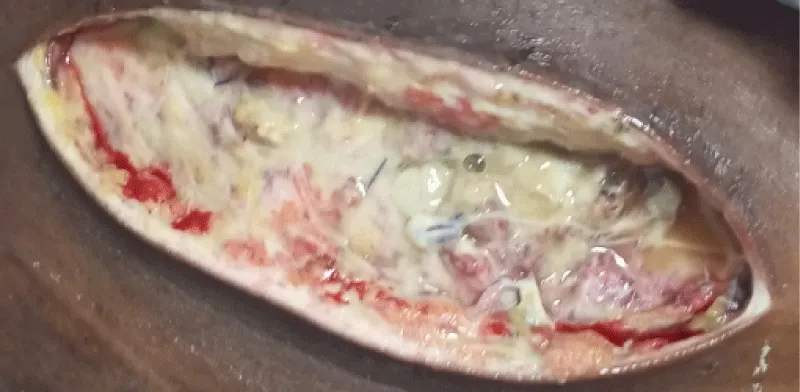
Figure 1: ISOPC image of a patient at the CHUME.
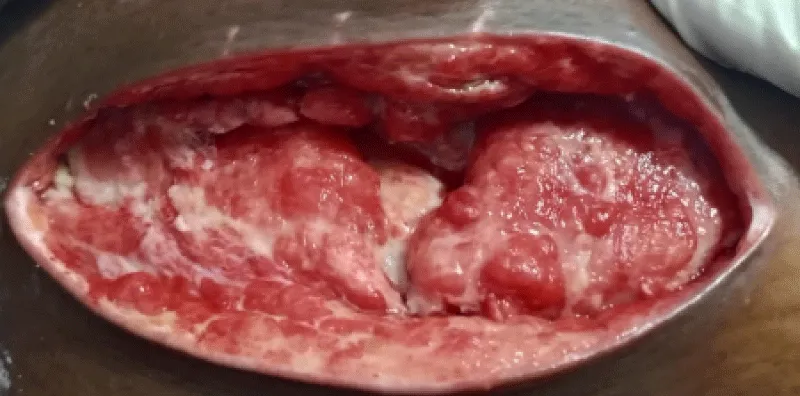
Figure 2: ISOPC image of a patient at the CHUME.
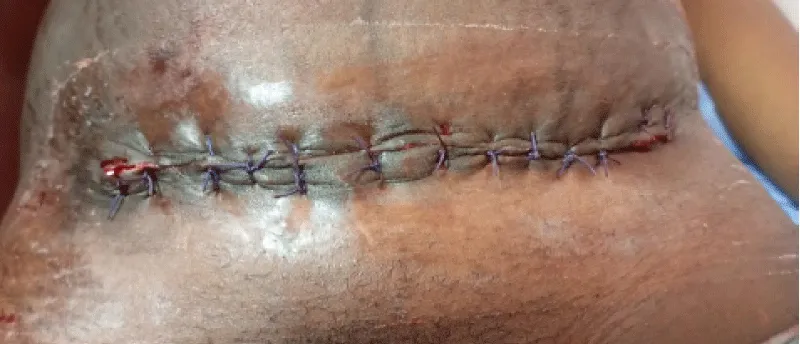
Figure 3: Image of Patient Recovery at the CHUME.
| Table 1: Frequency of PC-SSI | ||
| PC-SSI | n | % |
| Yes | 65 | 2.75 |
| No | 2319 | 97.25 |
| Table 2: Sociodemographic Characteristics | ||
| Age Group | n | % |
| Under 18 years | 6 | 9.3 |
| 18–27 years | 42 | 7.7 |
| 28–37 years | 12 | 64.6 |
| 38 years and over | 5 | 18.4 |
| Origin | n | % |
| Urban | 33 | 51.6 |
| Rural | 32 | 48.4 |
| Table 3: Reasons for Admission | ||
| Reason for Admission | n | % |
| PROM | 49 | 75.3 |
| Pelvic pain | 13 | 20.0 |
| Absent foetal movements | 3 | 4.7 |
| Table 4: Duration of PROM before Admission | ||
| Duration of PROM | n | % |
| Under 12 hours | 8 | 12.3 |
| 12 to 24 hours | 20 | 30.8 |
| 24 to 48 hours | 22 | 33.8 |
| 48 hours and over | 15 | 23.1 |
| Table 5: Obstetric History | ||
| Gravidity | n | % |
| Primigravida | 36 | 55.4 |
| Low parity (2–3) | 8 | 12.3 |
| Multigravida | 21 | 32.3 |
| Parity | n | % |
| Primipara | 38 | 58.4 |
| Low parity | 11 | 16.9 |
| Multipara | 16 | 24.7 |
| Table 6: Antenatal Visits | ||
| ANC Contacts | n | % |
| No contact | 35 | 53.85 |
| 1 to 4 contacts | 25 | 38.46 |
| 5 to 8 contacts | 5 | 7.69 |
| Table 7: NNIS Score Distribution | ||
| NNIS Score | n | % |
| NNIS 0 | 3 | 4.6 |
| NNIS 1 | 9 | 13.9 |
| NNIS 2 | 16 | 24.6 |
| NNIS 3 | 37 | 56.9 |
| Table 8: Type of Caesarean Section | ||
| Type | n | % |
| Elective | 1 | 2 |
| Emergency | 64 | 98 |
| Table 9: Nature of the Surgery | ||
| Wound Classification | n | % |
| Clean | 4 | 6.15 |
| Clean-contaminated | 6 | 9.23 |
| Contaminated | 16 | 26.61 |
| Dirty | 39 | 60.01 |
| Table 10: Antibiotic Prophylaxis | ||
| Prophylaxis given | n | % |
| Yes | 59 | 91 |
| No | 6 | 9 |
| Table 11: Depth of PC-SSI | ||
| SSI Depth | n | % |
| Superficial | 32 | 49.24 |
| Deep | 19 | 29.23 |
| Organ/Space | 14 | 21.53 |
| Table 12: Isolated Pathogens | ||
| Pathogen | n | % |
| Staphylococcus aureus | 32 | 49.3 |
| E. coli | 19 | 29.4 |
| Pseudomonas spp. | 8 | 12.1 |
| Klebsiella pneumoniae | 4 | 6.1 |
| Sterile culture | 2 | 3.1 |
Ethical considerations
Research authorisation was obtained from the Dean of the Faculty of Human Health Sciences and the Director General of CHUME. Patient confidentiality was maintained throughout the study.
In our study, 65 cases of PC-SSI were identified out of 2,384 caesarean sections performed in 2025, giving an incidence of 2.75%. Our results are lower than those reported by Ouédraogo, et al. [6] in Burkina Faso in 2022 (incidence of 10.8%, n = 85/787), Rokhaya, et al. [7] in Senegal in 2021 (SSI incidence of 9.9%), and Kaki, et al. [8] in Lubumbashi, Congo in 2021 (incidence of 56.9%). Merzougui, et al. [9] in Tunis in 2018 found an SSI incidence of 5%, and Ali, et al. [10] in Chad in 2021 reported an SSI incidence in digestive surgery of 33.6% (51/152). Our incidence is, however, comparable to that of Ouédraogo, et al. [6] in Burkina Faso in 2024, who obtained an incidence of 3.99%. This difference may be explained partly by the fact that our study exclusively concerns caesarean sections, which are generally classified as clean surgeries, and partly by the high volume of caesarean sections performed by experienced surgeons under strict aseptic conditions at CHUME.
The 18–25 age group was predominant, accounting for 64.6% of cases, with ages ranging from 15 to 36 years and a mean age of 23.6 years. These results are comparable to those of Djibril and Adizatou Abdoul [11] in Mali in 2023, who found the 20–24 age group to be the most represented (26%) with a mean age of 26.9 years (range 13–51 years). Ouédraogo, et al. [6] in Burkina Faso in 2022 described a mean age of 25.9 years. In Bamako in 2023, two authors working in similar conditions, Ahmadou [12] and Sylla [13], reported mean ages of 26 and 27.41 years, respectively. Mongbo [14] in Benin in 2023 found a mean age of 26.5 ± 6.3 years in a context of institutional free caesarean care. Merzougui, et al. [9] in Tunisia in 2018 reported a higher mean age of 30.6 ± 5.2 years (range 14–45 years). These consistently young ages can be explained by Africa’s relatively young population, and in Chad specifically by the high proportion of young, unschooled women in whom early pregnancies are common.
PC-SSIs were predominant in unemployed patients at 72.31%. This result is substantially higher than that of Kaki, et al. [8] in Lubumbashi in 2021 (55.9%), though comparable to that of Ouédraogo, et al. [6] in Burkina Faso in 2022, who found a predominance of housewives at 72.9%. In Chad, Universal Health Coverage is not yet operational, and health insurance is absent. The high rate of emergency caesarean sections in unemployed women may reflect the policy of free emergency caesarean care, which makes this procedure financially accessible to women with low socioeconomic status.
Most PC-SSIs occurred in patients from urban areas (51.6%, n = 33). This result is comparable to that of Djibril and Adizatou Abdoul [11] in Mali in 2023, where 82% of patients resided in urban areas. Verma, et al. [16] in 2020 in South Asia found a higher tendency for caesarean delivery in urban compared to rural women. This may reflect better geographic access to healthcare facilities among urban patients in our study.
PC-SSIs were predominant in referred patients (61.6%). This rate is higher than that of Kaki, et al. [8] in Lubumbashi in 2021 (55.8%), which may reflect the fact that CHUME Maternity in N'Djamena is a Level 3 facility and the National Reference Centre for reproductive health.
The most common reasons for admission among PC-SSI patients were premature rupture of membranes (PROM) in 71% of cases, lombo-pelvic pain (n = 13), and absent foetal movements (n = 3). This is comparable to the results of Ouédraogo, et al. [6] in Burkina Faso in 2022, who reported waters breaking for more than 12 hours in 71.8% of cases. PROM is a recognised infectious risk factor, which explains these results.
PC-SSIs occurred predominantly during labours lasting 24–48 hours (33.85%, n = 22), 12–24 hours (30.77%, n = 20), and over 48 hours (23.08%, n = 15). These results are comparable to those of Diallo, et al. [15] in Bamako in 2012, who reported 53.1%. A labour duration exceeding 12 hours was found in 72.9% of cases by Ouédraogo, et al. [6] in Burkina Faso in 2022. Prolonged labour increases the duration of membrane rupture, the number of vaginal examinations, and the risk of ascending infection from the vagina to the uterine cavity.
PC-SSIs were predominant among primigravidas (55.38%, n = 36), followed by multigravidas (32.31%, n = 21) and low-parity patients (12.31%, n = 8). These results are comparable to those of Ouédraogo, et al. [6] in Burkina Faso in 2022, where the majority were primigravidas and primiparas (45.9%). Primigravidas represented 32.1% in Merzougui, et al. [9] in Tunisia in 2018 and 41.9% in Kaki, et al. [8] in Congo in 2021.
PC-SSIs were more frequent in patients who had no antenatal care (ANC) visits (53.85%, n = 35), followed by those with 1–4 ANC visits (38.46%, n = 25), while only 7.69% (n = 5) had 5–8 visits. These results underscore the importance of ANC in monitoring pregnancy and detecting risk factors for timely management.
Prior surgeries identified in our series included previous caesarean sections (77.78%, n = 14), laparotomy for ectopic pregnancy (16.67%, n=3), and myomectomy (5.56%, n = 1).
Among comorbidities, hypertension was found in 32.26% (n = 10) of cases, HIV in 29.03% (n = 9), and diabetes in 16.13% (n = 5). The high rate of hypertension reflects the increased need for emergency caesarean sections in cases of hypertension in pregnancy, highlighting the importance of good antenatal follow-up for early detection and management.
PC-SSIs were predominant at NNIS score 3 (56.92%, n = 37), followed by NNIS 2 (24.62%, n = 16), NNIS 1 (13.85%, n = 9), and NNIS 0 (4.62%, n = 3).
Emergency caesarean sections were predominant among PC-SSI cases (98%, n = 64). This is comparable to Ahmadou, et al. [12] in Mali in 2021, who found 85.36% emergency caesarean sections, though our figure exceeds that of Djibril and Adizatou Abdoul [11] in Mali in 2023 (78%).
PC-SSIs occurred predominantly in dirty wound classifications (60.01%, n = 39), followed by contaminated wounds (26.61%, n = 16). Clean and clean-contaminated wounds represented 6.15% (n = 4) and 9.23% (n = 6) respectively.
Antibiotic prophylaxis was administered in 91% (n = 59) of PC-SSI cases. The majority of first dressings were clean (66%, n = 43), suppuration was noted at first dressing in 18% (n = 12), and in 15% (n = 10) the dressings were already soiled. PC-SSIs were predominantly superficial (49.24%, n = 32), followed by deep infections (29.23%, n = 19), and organ/space infections (21.53%, n = 14). Our results are lower than those of Ouédraogo, et al. [6] in Burkina Faso in 2022, who found 82.4% of PC-SSIs. Ngowa, et al. [17] in Yaoundé in 2015 found superficial suppuration in 44.83% and deep suppuration in 13.79% of cases. The high frequency of superficial SSIs may be explained by inadequate infection prevention and control measures, particularly insufficient patient preparation, especially in emergency cases. Indeed, elective surgical patients who benefit from a pre-operative soap shower have a lower SSI incidence.
The pathogens isolated in our series were predominantly Staphylococcus aureus (49.3%, n = 32), followed by E. coli (29.3%, n = 19), Pseudomonas spp. (12.16%, n = 8), and Klebsiella pneumoniae (6.18%, n = 4). Culture was sterile in 3.06% (n = 2) of cases. These results are comparable to those of Kaki, et al. [8] in Lubumbashi in 2021, who found Staphylococcus aureus (25.7%), Escherichia coli (19.1%), Citrobacter diversus (13.8%), Klebsiella and Pseudomonas (equal at 12.5%), and Enterobacteriaceae (8.5%). Mpogoro, et al. [18] in Tanzania in 2014 found 27.3% Staphylococcus aureus and 22.7% Klebsiella pneumoniae. Sawadogo, et al. [20] in Burkina Faso in 2020 reported 37.8% Staphylococcus aureus and 15.6% E. coli, while Ouédraogo, et al. [6] in 2022 found Staphylococcus aureus (37.3%), Staphylococcus saprophyticus (25.5%), and E. coli (17.7%). In Central Africa, Ngowa, et al. [17] in Yaoundé in 2015 found E. coli at 37.5% and Staphylococcus aureus at 18.75%. Staphylococcus aureus predominates across all these studies, consistent with its role as one of the most common pathogens of the skin flora.
The hospitalisation stay for PC-SSI was prolonged, with 15–29 days being the most frequent duration (47.69%, n = 31), followed by 7–14 days (27.69%, n = 18), and over 30 days in 24.62% (n = 16) of cases. Congo [19] and Barbut, et al. [20] in 2004 found mean stays of 8 and 15 days, respectively. These studies confirm the literature data showing that SSI significantly extends hospital stay.
The outcome of PC-SSIs was generally favourable, with 94% of patients alive and recovered, and a mortality rate of 6% (n = 4). Ouédraogo, et al. [6] in Burkina Faso in 2022 reported a generally favourable clinical outcome. Sawadogo, et al. [21] in 2020, Sylla, et al. [13] in Burkina Faso, and Soumé, et al. [22] in Mali in 2006 reached similar conclusions. Our mortality results may be explained by the presence of comorbidities (diabetes, malnutrition) and the severity of presentation (electrolyte imbalances, septicaemia). Early diagnosis and prompt, appropriate management can prevent progression to serious complications such as septicaemia, which can itself be fatal without adequate treatment.
Surgical site infection is a major complication in surgical settings, compromising the outcome of the surgical procedure. The overall rate of PC-SSI following analysis remains high in developing countries. The major risk factors identified were premature rupture of membranes, emergency surgery, chorioamnionitis, and anaemia. Staphylococcus aureus was the most frequently isolated pathogen. SSI prolonged hospital stay without being a direct cause of death in most cases. At the end of the study, we consider that the overall SSI rate remains high, underscoring the need to strengthen preventive measures.
Conflicts of interest: The authors declare no conflicts of interest.
Authors' contributions: All authors have read and contributed corrections to the manuscript.
- Fatusić, Hudić. Incidence of post-operative adhesions following Misgav Ladach caesarean section—a comparative study. J Matern Fetal Neonatal Med. 2009; 22(2):157-60. Available from: https://doi.org/10.1080/14767050802647478
- Adabra B, Kanassoua KK, Kassegne I, Sakiye E, Songne B, Tchangai B, et al. Infections du site opératoire en chirurgie générale dans un hôpital régional au Togo. Cames. Santé 2015; 3(2):50-54. Available from: https://pesquisa.bvsalud.org/portal/resource/pt/afr-198513V
- European Centre for Disease Prevention and Control. Healthcare-associated infections: surgical site infections. In: ECDC Annual epidemiological report for 2021–2022. Stockholm: ECDC; 2025. Available from: https://www.ecdc.europa.eu/en/publications-data/healthcare-associated-infections-surgical-site-infections-annual-2
- Ngaroua, Ngah, Bénet, Djibrilla. Incidence of surgical site infections in sub-Saharan Africa: systematic review and meta-analysis. Pan Afr Med J. 2016; 24:171. Available from: https://doi.org/10.11604/pamj.2016.24.171.9754
- Abdoulaye, Moussa, Hawaye, Oumar, Mahamat, Hissein, et al. Fréquence et indication des césariennes selon la classification de ROBSON: cas du CHUME de N'Djamena au Tchad. Revue scientifique du Tchad – série B. 2022; 6(2):14-18.
- Ouedraogo, Dembélé, Sib, Kiemtoré, Sawadogo, Thieba, Bonané. Les infections du site opératoire postcésariennes: aspects épidémiologiques, cliniques, bactériologiques, thérapeutiques et évolutifs dans le service de gynécologie et obstétrique du centre hospitalier universitaire régional de Ouahigouya. Annales de la SOGGO. 2022; 38(17):40-45.
- Rokhaya, Niang, Wade. Surgical Site Infections in General Surgery at the Regional Hospital of Thies (Senegal): Epidemiological, Bacteriological Aspects and Risk Factors. Microbiol Infect Dis. 2021; 5(2):1-6.
- Kaki, Biayi, Musasa, Mpiana, Kakinga, Impiti, Kasongo, Kayeme, Abelelaw, Kasamba, Ngwe, Kinenkinda, et al. Césarienne et infections du site opératoire: Aspects épidémiologiques et facteurs associés dans les hôpitaux de la ville de Lubumbashi. Revue Africaine de Médecine et de Santé Publique. Décembre 2021.
- Merzougui L, Marwen N, Hannachi H, Asma M, Elhaj OB, Waddah M, et al. Incidence and risk factors of surgical site infection following caesarean section in a Tunisian maternity unit. Santé Publique Vandoeuvre-Nancy Fr. 2018; 30(3):339-47. Available from: https://doi.org/10.3917/spub.183.0339
- Mahamat AH, Hien YE, Zongo C, Erbi D, Hissein AH, Tapsoba F, et al. Surgical Site Infection (SSI) in the National Referral General Hospital of Ndjamena (Chad): Survey about Risk Factors. Journal of Biosciences and Medicines. 2021; 09(05):1-11. Available from: https://doi.org/10.4236/jbm.2021.95001
- Djibril SISSOKO et Adizatou Abdoul Karim TOURE. Pronostic maternel et périnatal de l'accouchement par césarienne au Mali de juin 2022 à mai 2023. Master’s thesis in International Public Health, Université Senghor. Bamako, Mali 2023.
- Ahmadou C, Dao SZ, Assétou C, Mamadou S, Ousmane KI, Traoré MS, et al. Maternal and Perinatal Prognosis of the Cesarean at Chu Point G, Bamako, Mali. Open J Obstet Gynecol. 5 Nov 2021; 11(11):14619. Available from: https://www.scirp.org/journal/paperinformation?paperid=113081
- Sylla C, Traoré SO, Dembele S, Dao SZ, Togola L, Boucoum A, et al. The Free Cesarean in the Health District of Bougouni. Open J Obstet Gynecol. 2020; 10(09):1233.Available from: https://doi.org/10.4236/ojog.2020.1090115
- Mongbo V, Godin I, Mahieu C, Ouendo EM, Ouédraogo L. La césarienne dans le contexte de gratuité au Bénin. Santé Publique. 2016; 28(3):399-407. Available from: https://doi.org/10.3917/spub.163.0399
- Diallo AZ. Les infections du site opératoire postcésariennes à l'hôpital de Sikasso. Université de Bamako. 2012; 4(1):47-67.
- Verma V, Vishwakarma RK, Nath DC, Khan HTA, Prakash R, Abid O. Prevalence and determinants of caesarean section in South and South-East Asian women. PLOS ONE. 12 March 2020; 15(3):e0229906. https://doi.org/10.1371/journal.pone.0229906
- Ngowa JDK, Ngassam A, Fouogue JT, Metogo J, Medou A, Kasia JM. Complications maternelles précoces de la césarienne: à propos de 460 cas dans deux hôpitaux universitaires de Yaoundé, Cameroun. Pan Afr Med J. 2015; 21(3):26-55. Available from: https://doi.org/10.11604/pamj.2015.21.265.6967
- Mpogoro FJ, Mshana SE, Mirambo MM, Kidenya BR, Gumodoka B, Imirzalioglu C. Incidence and predictors of surgical site infections following caesarean sections at Bugando Medical Centre, Mwanza, Tanzania. Antimicrobial Resistance and Infection Control 2014; 3:1-10.
- Congo. Infection du site opératoire après la césarienne d'urgence au CHU Bogodogo. Université Ouaga I Pr Joseph Ki-Z, N° 225; 2019:34-39.
- Barbut F, Cabonne B, Truchot F, Spielvogel C, Jannet D, Goderel I, et al. Infection du site opératoire chez les patientes césarisées: bilan de 5 ans de surveillance. J Gynecol Obstet Biol Reprod. 2004; 33(6):487-96. Available from: https://doi.org/10.1016/s0368-2315(04)96561-1
- Sawadogo YA, Komboigo E, Kiemtore S, Zamane H, Ouédrago I, Kain DP, et al. Suppurations post-pariétales césariennes au Centre Hospitalier Universitaire Yalgado Ouédraogo, Burkina Faso: aspects épidémiologiques, cliniques, thérapeutiques et pronostiques. Pan Afr Med J. 2019; 32(35):1-7. Available from: https://doi.org/10.11604/pamj.2019.32.35.17167
- SOUMARE. Complications maternelles infectieuses bactériennes postcésariennes. Thèse de doctorat en médecine; Bamako (Mali); 2006; 352(80).